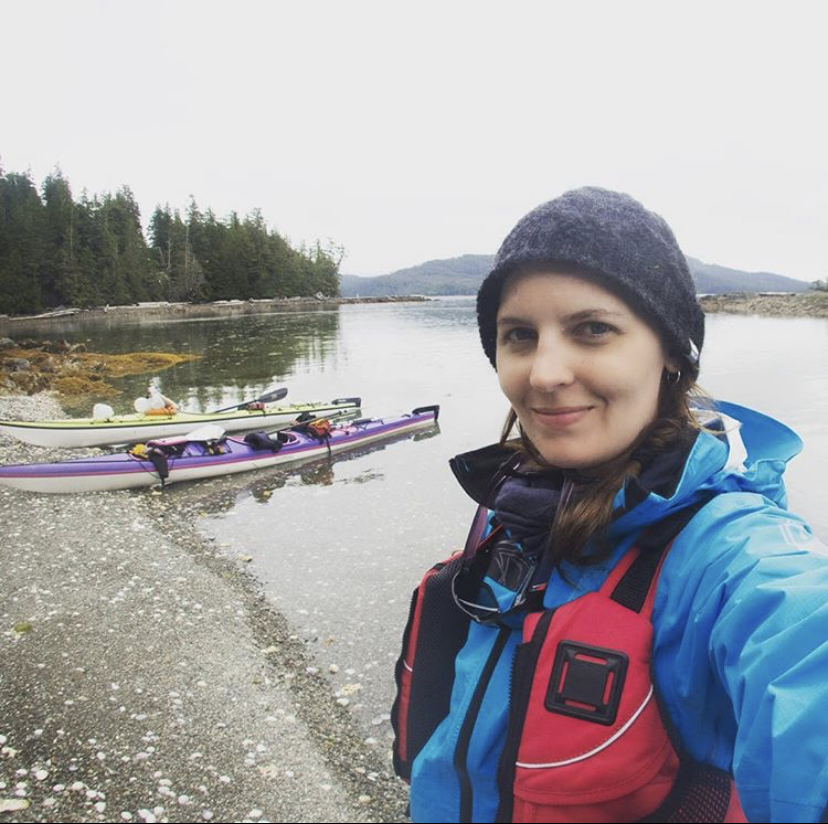
If you’re new to kayaking, you might be wondering where to start, what kind of kayak to buy, which features matter most and how to feel confident on the water. In this guide, we discuss how to choose the best kayak if you're a beginner, what to look for, what you need to know and the features that make a kayak beginner-friendly.
Why kayaking is the perfect beginner adventure
Kayaking is one of the easiest and most enjoyable ways to get outside and explore. You don’t need much experience to begin, just some basic knowledge and a kayak that fits your goals.
Kayaking is great for beginners because you can make it your own. Paddle at your own pace, pick calm waters and go alone or with friends. Whether you explore quiet lakes, easy rivers or float near the shore, it’s a relaxed way to enjoy the outdoors and build confidence.
You don’t need to be very fit or highly coordinated. Most people quickly feel comfortable in a kayak if they start with the right setup and a bit of planning. We’ll cover how to do that next.
What to know before you buy your first kayak
Before you start shopping, think about how and where you’ll use your kayak. Having a few clear answers will make your decision much easier.
Start with these questions:
- Will you be paddling mostly on calm lakes, slow rivers, or ocean inlets?
- Do you plan to go out solo, or bring a friend or dog along?
- How often do you see yourself kayaking—every weekend, or just a few times each summer?
Your answers will help you figure out which kayak is best for you. In Canada, many beginners start on small lakes or gentle rivers, so you’ll want a kayak that is stable, easy to steer and not too heavy to carry.
There’s no wrong choice. The best kayak is the one that fits your style.
What to look for when choosing a beginner kayak
A good beginner kayak should help you feel stable, comfortable and in control right away. Here are the main features to look for when choosing your first kayak:
1. Stability
Look for a kayak with a wide, flat bottom. This shape gives you better balance, especially in calm water. Stability helps you feel safe and steady, even if you’re just starting out.
2. Weight
Lightweight kayaks are easier to carry, load onto your car and move to and from the water. If you plan to paddle alone, try to choose one that weighs less than 45 lbs.
3. Length and tracking
Longer kayaks glide more smoothly and go straighter in the water, while shorter kayaks are easier to turn. For beginners, a kayak between 9 and 12 feet is usually a good balance.
4. Material
Most beginner kayaks are made of strong polyethylene plastic. It’s tough, affordable and can handle bumps and scrapes easily. This makes it great for casual paddling on lakes or rivers, even if you launch from rocky or uneven shores.
If you plan to paddle more often or cover longer distances, consider a fibreglass or lightweight composite kayak. They cost more and need extra care, but they offer easier transport and better long-term performance.
5. Comfort
A good seat with back support, adjustable footrests and space to move your legs can make a big difference, especially on longer paddles. Comfort is more important than you might expect.
Different types of kayaks
There are several types of kayaks to choose from, each built for specific uses and environments. Here are a few popular options for beginners:
Sit-on-top kayaks
Sit-on-top kayaks are user-friendly and perfect for beginners, offering excellent stability and easy entry and exit. With an open design that makes climbing on and off simple, these kayaks are less likely to feel confined and often self-drain water. They are suitable for calm lakes, slow-moving rivers and coastal waters and are a good choice if you value ease of use and want to feel secure from the start.
Recreational kayaks
Recreational kayaks are versatile and ideal for casual paddling on calm waters. Their large cockpits make them easy to enter and exit, making them comfortable for longer periods. These kayaks offer a good balance of stability, comfort and maneuverability, making them appropriate for a range of beginner paddling situations, including lakes, gentle rivers and sheltered bays.
Touring kayaks
Touring kayaks, also known as sea kayaks, are designed for longer paddling trips on open water and coastal environments. Their longer, narrower design improves straight tracking and paddling efficiency, allowing you to travel farther with less effort. They frequently include storage compartments for gear, making them a strong choice for extended trips or for exploring larger waterways.
Inflatable kayaks
Inflatable kayaks are lightweight, portable and easy to store, making them an excellent option for beginners with limited storage space or small vehicles. They set up quickly, can pack into a closet or car trunk and are suitable for calm water. Durable modern materials help them withstand bumps, making them practical for casual use and easy transport.
Kayak accessories that make a difference
You don’t need much gear to start kayaking, but a few smart accessories can make your first outings safer, more comfortable and more fun. Shop kayak accessories at MEC to find the accessories you need.
Must-haves for every beginner
- PFD (Personal Flotation Device): A good-quality life jacket is mandatory. Make sure it’s designed for paddling, as these are lighter, less bulky and made for a range of motion.
- Paddle: Most kayaks don’t include one. Choose a lightweight paddle that fits your height and the width of your boat.
- Dry Bag: Keeps your phone, keys, snacks and extra layers safe and dry. A 10L or 15L bag is perfect for day trips.
- Safety Kit: In Canada, you’re legally required to carry safety items like a buoyant throw rope, whistle and flashlight. Many outdoor stores sell these as pre-packed kits.
Refer to the Canadian Safe Boating Guide and Transport Canada Small Vessel Regulations to ensure you're in compliance and staying safe on the water.
Nice-to-haves that add comfort
- Waterproof phone pouch: So you can take photos or check your map without worry.
- Paddle leash: Keeps your paddle tethered to your kayak so it doesn’t float away.
- Foam seat cushion or back support: Adds a little extra comfort for longer paddles.
Start simple, stay safe and add gear as needed.
Tips for shopping for your first kayak
When you’re ready to shop, a few smart tips can make the process easier and help you avoid common beginner mistakes. Determine a realistic budget. Consider how much you’re comfortable spending and include essential extras such as a paddle, a life jacket and safety gear.
- Try before you buy. Renting or borrowing different kayaks is a great way to find the one that feels best for your body and paddling style.
- Do your research. Online reviews from real paddlers provide helpful insight into how a kayak performs in the real world.e real world.
- Ask local paddling groups or experienced kayakers for helpful advice.
- The best beginner kayak is one that feels right.
How to start kayaking when you're a beginner
Starting something new can feel intimidating, but kayaking doesn’t have to be. You don’t need fancy gear or expertise to get on the water and have fun.
Start small and simple
Choose a calm lake or sheltered bay for your first paddle. Avoid busy boat traffic and windy days. Shallow, slow water is perfect for learning how your kayak moves and how to feel steady.
Rent before you commit
Renting a kayak is a great way to build confidence and test different styles before buying.
Go with a friend or join a group
Paddling with a friend, especially someone experienced, can ease first-time nerves. You can also look for women’s paddling clubs or beginner-friendly group outings near you. They’re welcoming, supportive and a great way to meet like-minded people.
Learn the basics
You don’t need to know everything on day one, but it helps to learn a few basics: how to hold your paddle, get in and out of your kayak and launch safely from shore. You’ll be surprised how quickly it feels natural.
Frequently asked questions
Is kayaking hard?
Kayaking is generally easy to learn, especially on calm water. Most beginners feel comfortable after a short introduction and some basic practice. Start with a stable, recreational kayak, and you’ll quickly get the hang of paddling and steering.
Is it easier to kayak or canoe?
For most beginners, kayaking feels easier. Kayaks are generally more stable and require less effort to steer, thanks to their double-bladed paddles. Canoes can be a bit trickier at first, especially when paddling solo or turning, but both are fun once you get the basics down.
What type of kayak is best for the ocean?
For ocean paddling, a sea kayak, also called a touring kayak, is usually best. These kayaks are longer and narrower than recreational kayaks, making them better suited for handling waves, wind and long distances. They typically have storage compartments and a rudder or skeg to help with tracking in open water.
How much does a kayak cost?
Kayak prices vary widely. Entry-level recreational kayaks start around $600–$800, while higher-end touring or sea kayaks can cost $1,500 or more. You can also find used kayaks at lower prices, or rent one to try before you buy. Shop kayaks at Mountain Equipment Company to find one that fits within your budget.
What is the best size kayak for a beginner?
The best size kayak for a beginner is typically between 9 and 12 feet long. Kayaks in this range are stable, easy to maneuver and not too heavy to transport. A wider kayak (around 28–32 inches) also provides greater stability, helping new paddlers feel more comfortable on the water. For most beginners, a recreational kayak in this size and width range is ideal for lakes, slow rivers and calm coastal areas. If you’re taller or plan to carry extra gear, you might want something a little longer for added comfort and storage space.
Starting your kayaking journey is simple. With some planning and beginner-friendly gear, you’ll be ready to confidently enjoy the water. Happy paddling!